
The Trump administration is preparing a request to Congress for multibillion-dollar funding aimed at resupplying munitions used in the Iran conflict. This request comes amid existing Pentagon funding discussions. The Department of Defense seeks approximately $80 billion in supplemental funds to address war expenses. A source with insight confirmed this figure, revealing that it significantly exceeds prior estimates by War Secretary Pete Hegseth and Pentagon Comptroller Jay Hurst presented earlier this year.
Senate Majority Leader John Thune emphasized the importance of replenishing depleted munitions. He stated that it is crucial for national security to ensure the U.S. is ready to deter and defeat potential threats. Thune recognized the necessity but expressed uncertainty about whether a request for such substantial funding would succeed in the Senate.
The anticipated funding request follows Hegseth’s recent meetings with senators. Meanwhile, Deputy War Secretary Steve Feinberg also pushed for the $80 billion supplemental, as initially reported by the Wall Street Journal.
The Pentagon had earlier disclosed that the Iran war’s cost reached $29 billion. However, many lawmakers question this figure, given the extensive use of missiles like SM3, Patriot, THAAD, and Tomahawks. President Trump is set to discuss this issue further with leaders of major defense contractors at the White House. These companies, including Lockheed Martin, Raytheon, and Boeing, agreed to increase production of munitions systems during a previous meeting in March.
On June 16, Trump invoked the Defense Production Act to hasten production due to limitations in the munitions industrial base, such as production capacity and supply chain constraints. Analysts at the Center for Strategic and International Studies warned that replenishing specific weapons systems might take years. Congress would need to allocate more funds to support increased production rates.
White House spokesperson Anna Kelly emphasized the country’s sufficient military stockpiles while urging defense contractors to produce more domestically. She claimed that Trump’s actions rebuilt military capabilities, criticizing previous Democratic policies.
Operation Epic Fury, which started on February 28, paused with a ceasefire from April 7. Negotiations for a longer-term peace agreement are ongoing between U.S. and Iranian officials following the signing of a framework memorandum of understanding (MOU).
The $80 billion request aligns with President Trump’s larger defense agenda. He recently urged Republicans to work on a $350 billion defense funding package under the Safeguarding American Voter Eligibility (SAVE) America Act. However, the proposal has faced obstacles, with notable Republican leaders like Susan Collins and Mitch McConnell expressing doubts over passing such a reconciliation measure.
Collins, part of the Senate Appropriations Committee, commented, “Reconciliation is not the best approach,” indicating challenges in securing approval for additional defense spending through this method.
 Strategies for Democrats Leading Up to Election Day
 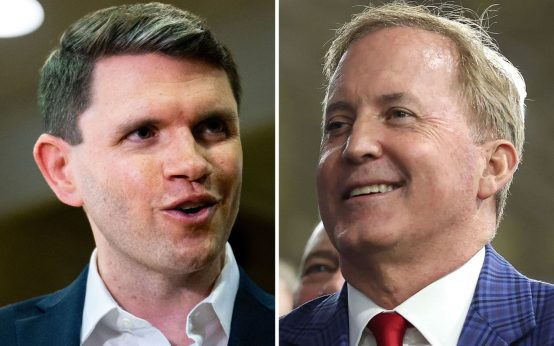 Texas Senate Race: The Impact of Trump on Ken Paxton’s Campaign
 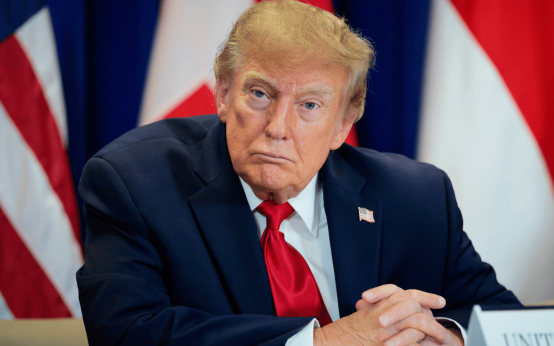 Trump’s Approval Rating Struggles Ahead of Midterms
  Texas Senate Nominee Faces Criticism Over Use of Christian Morals
  Record Number of Native Candidates in Elections
  Unexpected Senate Race Challenges in New Hampshire