As the midterm elections draw near, progressive Democrats have introduced a new term, “The Epstein Class,” to describe a group previously labeled as “The 1%.” This term brings with it some unsavory implications.
Democrats like Georgia Sen. Jon Ossoff and Maryland Rep. Jaime Raskin have been using this charged phrase, prompting curiosity about the identity of those in the so-called “Epstein Class.” If these individuals are to be countered, one must first know who they are.
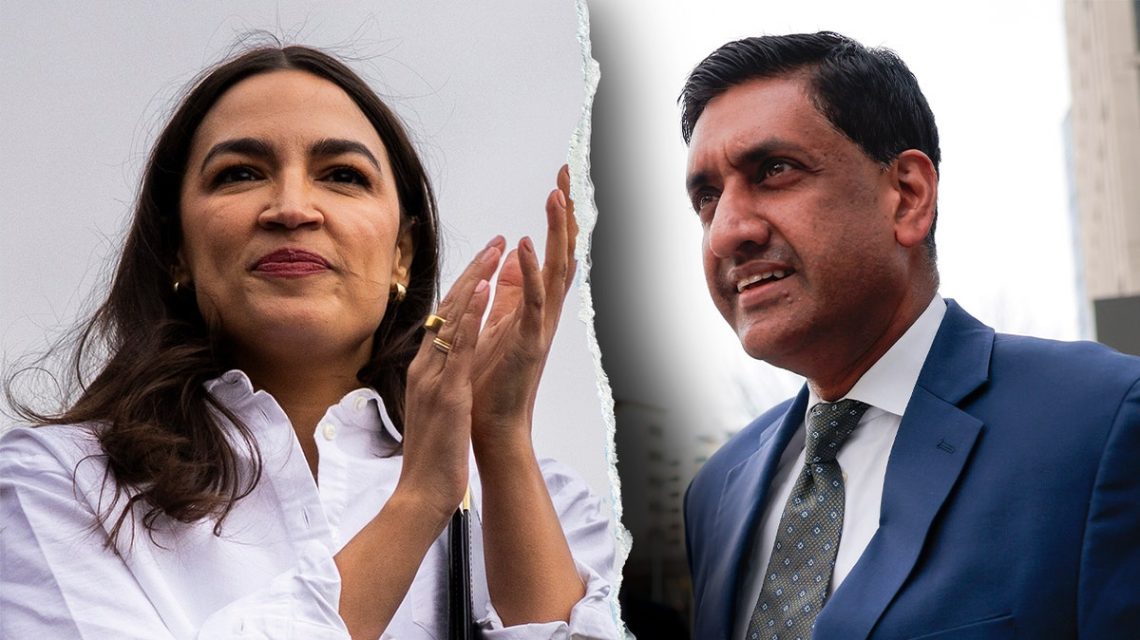
I queried Rep. Ro Khanna, a prominent proponent of the term, seeking clarity. Our conversation provided perhaps the clearest, although still somewhat opaque, definition of what this Epstein Class entails, if it exists at all.
What the Epstein files revealed is a group of powerful and wealthy men more concerned with their status and networks than decency and humanity. They were fine viewing young girls that Epstein was abusing as dispensable in order to maintain their standing with Epstein and his friends. The callowness, vanity, and vacuity of this governing elite has led to a lopsided and unfair economy.
Khanna refrained from naming any specific individuals when asked for examples, referring instead to a network revealed by Epstein’s activities. He distanced himself from conspiracy theories, describing the Epstein Class as symbolic of powerful and wealthy figures prioritizing personal needs over civic responsibility.
The term has been picked up by figures beyond the Democratic sphere, including some on the right who have used it to explain various policies without substantial evidence. Despite the underlying use of the term by various political figures, the lack of a clear definition makes it effectively an attack on certain wealthy individuals involved in politics.
As voters, understanding the motivation behind such terms is crucial. The essence of the Epstein Class narrative ties back to a critical view of wealth and political influence, reminiscent of past rhetoric like that of Occupy Wall Street and its focus on the 1%.
 The Trump Team’s Challenge to the Military Leadership
  Maryland First State to Restrict Electronic Pricing in Grocery Stores
  Activists Push for Nationwide Ban on Child Marriage in the U.S.
  Democratic Hopes and Historical Warnings in 2026 Senate Race
  Republicans Face Challenges Amidst Cost of Living Concerns
  A Different Kind of Fall for Congress This Year