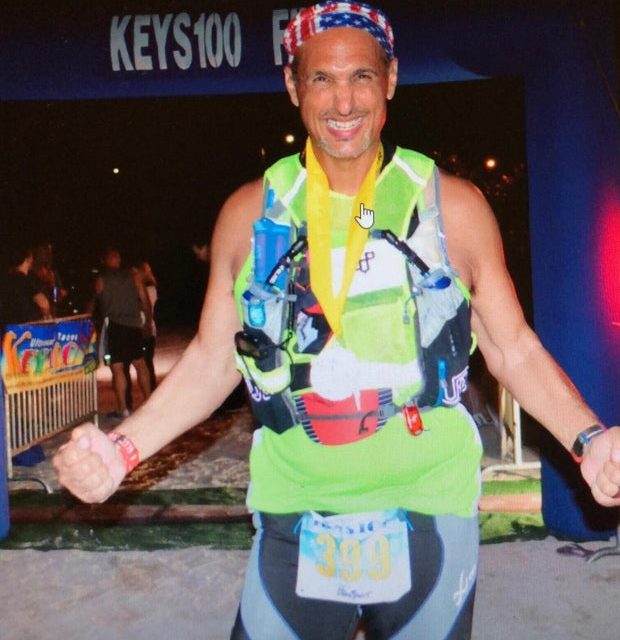
Todd Meiklejohn began a typical day on August 8, 2025, waking up early for a meeting. The day quickly changed when he experienced a sudden, squeezing pain. His vision blurred, and he couldn’t move his right side, leaving him confused and partially paralyzed.
His wife, a nurse, found him 45 minutes later and called 911 immediately. At Miami Neuroscience Institute, doctors diagnosed a massive stroke. Dr. Guilherme Dabus, an interventional neuroradiologist, emphasized the urgency in treating strokes, noting that deprived oxygen leads to brain cells dying. Timely action can mitigate lasting damage.
The medical team opted for a mechanical thrombectomy. This procedure quickly removes the blood clot, restoring normal blood flow. Meiklejohn’s swift treatment, within 38 minutes of his wife’s call, significantly reduced potential permanent impairments. Remarkably, he regained the ability to speak and move his right side soon after his surgery and left the hospital in under 48 hours.
Following the immediate crisis, it was crucial to identify the cause of Meiklejohn’s stroke. Though fit and typically healthy in his mid-50s, an investigation revealed a heart defect known as patent foramen ovale (PFO). This condition, a small gap that remains open in the heart, affects 20 to 30% of adults but rarely causes issues. However, in rare instances, a clot can pass through this gap and cause a stroke.
The doctors determined that a blood clot had traveled through Meiklejohn’s PFO to his brain. This rare complication led to a stroke. A minor procedure closed the PFO, and Dr. Dabus affirmed that Meiklejohn’s risk of another stroke is now minimal.
In the year since his stroke, Meiklejohn concentrated on regaining his strength, successfully returning to work after four weeks. Just two months post-stroke, he completed a 100-mile bike ride. Despite the ordeal, he remains vigilant about his health, monitoring his blood pressure and heart rate closely. Grateful for his wife’s timely return, Meiklejohn stresses the importance of immediate medical intervention for strokes, aiming to raise awareness about how crucial quick reactions can be.
 Moose Street Brawl in Colorado Caught on Video
  Study Highlights Risks of Borg Consumption on College Campuses
  U.S. Military Enhances Arctic Defense Readiness with Tundra Merlin
  The Message of Healing and Faith in ‘The Angels Among Us’
  Dengue Fever Surge in U.S.: Florida’s Record Outbreak and Rising Cases Nationwide
  Tick Crisis on Martha’s Vineyard: A Growing Health Threat