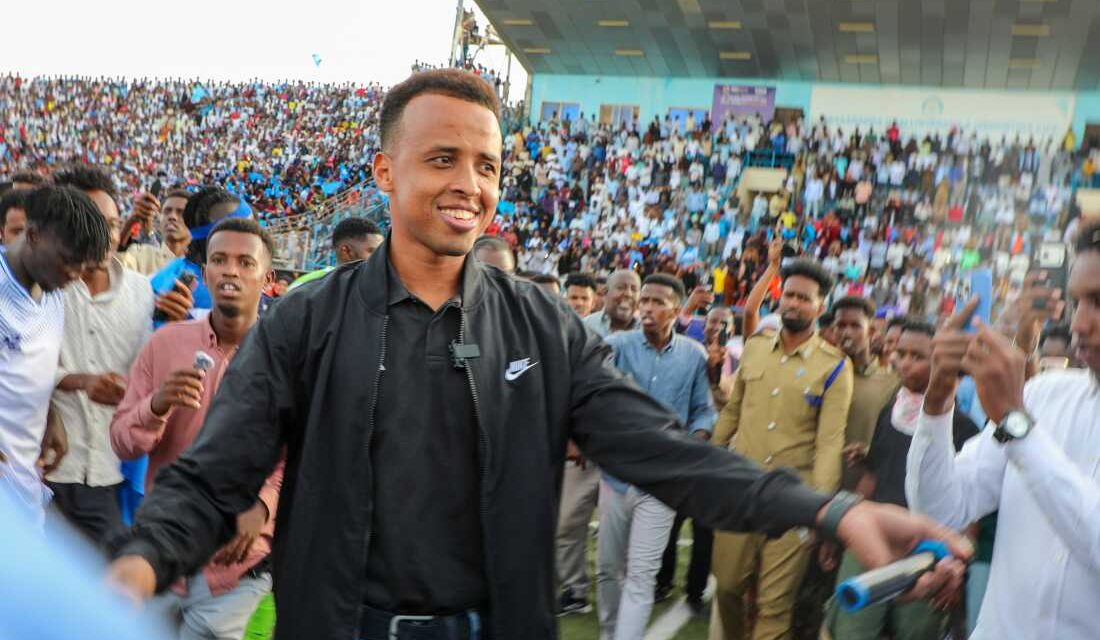
Omar Abdulkadir Artan, a Somali World Cup referee, was denied entry into the United States. Despite this setback, he was celebrated as a hero upon his return to Somalia.
Artan’s arrival in Mogadishu was met with applause. Government officials welcomed him with flowers, and fans wrapped him in the sky-blue Somali flag. Thousands gathered in a stadium in Mogadishu, not for a soccer match, but to honor their national figure.
In front of cheering crowds, Artan expressed gratitude. He said, “What happened has happened and it was fate. I am grateful for the support FIFA gave me.” Determined to move forward, he asserted, “I will attend the next World Cup. We should strive for our country and defend it. We should never be disappointed. I love my country, and I encourage young people to continue pursuing their goals.”
Artan was refused entry at Miami International Airport by U.S. Customs and Border Protection, despite holding a diplomatic passport and valid visa. Andrew Giuliani, leading the White House World Cup task force, explained, “Anyone who is communicating with bad actors that plan harm against the United States of America are not gonna be admitted entrance.” This decision was based on allegations of Artan’s association with “suspected members of terror organizations.” NPR has requested a comment from Artan but has not received a response.
A FIFA spokesperson confirmed Artan would miss the tournament, hosted by the U.S., Canada, and Mexico, beginning Thursday in Mexico City.
In Somalia, reactions were mixed. The U.S. plays a crucial role in counterterrorism efforts against Al-Shabaab, linked to Al Qaeda. However, the accusations against Artan sparked anger among Somalis. Ilham Gasser, a Somali parliament member, questioned, “If these were genuine concerns that an individual had links to terror organizations, many Somalians are asking, why were those concerns not identified in the visa process?”
Previously, Somalia was part of 12 countries affected by a broad U.S. travel ban. President Trump has labeled Somalia negatively in the past, calling its people “garbage” and the nation “probably the worst, most dangerous country,” describing it as “hell.”
Artan’s experience has nonetheless sparked national pride. While participation in the World Cup is lost for now, his accomplishment and the support he drew from home are undeniable.
 Yankees Sweep Red Sox in AL Wild Card Series
  Arike Ogunbowale Shines in Dallas Wings’ Overtime Victory
  Dallas Cowboys Acquire Joey Porter Jr. in Major Trade
 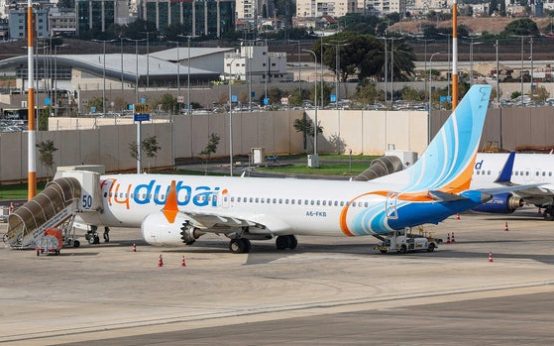 Incident on FlyDubai Flight Raises Security Concerns
 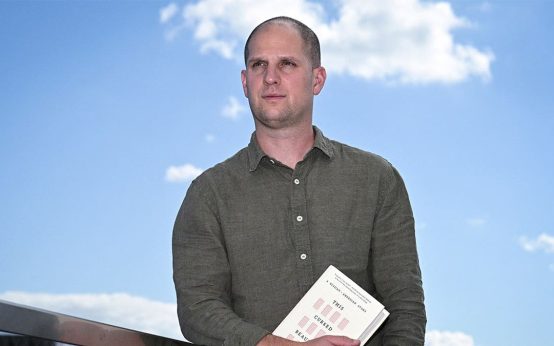 Journalist Gershkovich Discusses Wrongful Detention and Release in Russian Prisoner Swap
 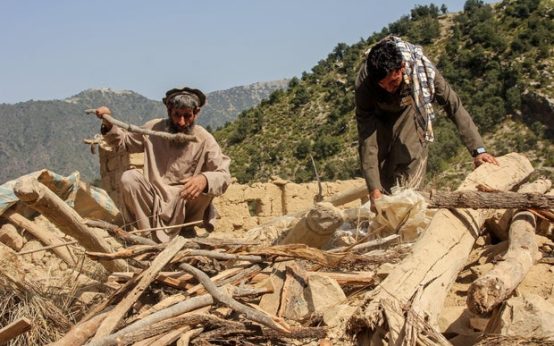 Pakistan Airstrikes in Afghanistan: Civilian Casualties Reported