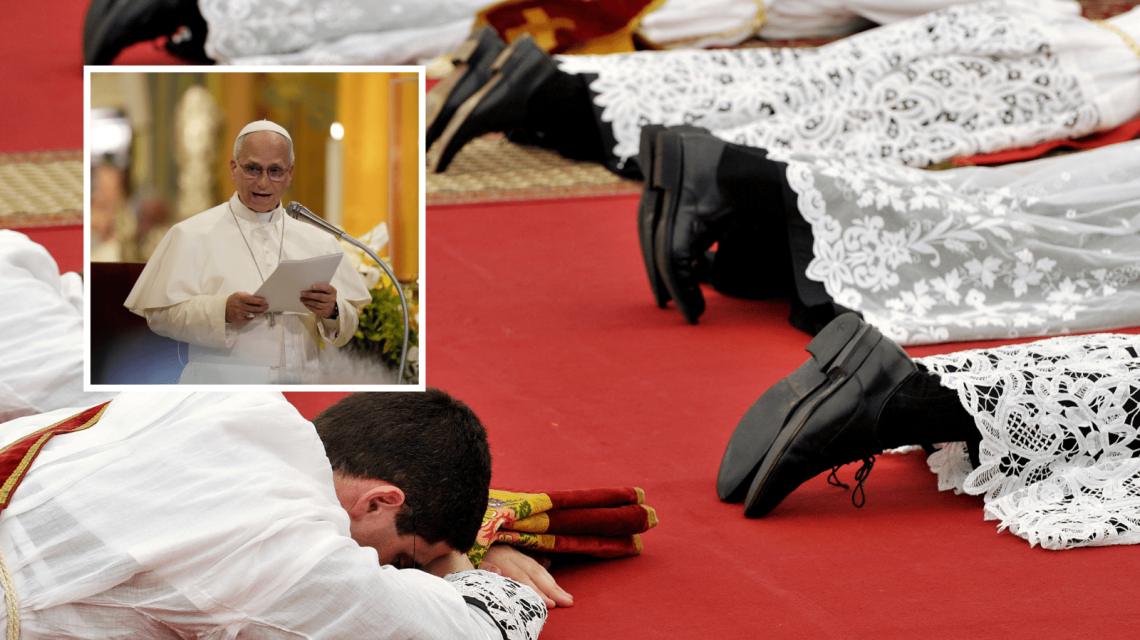
The Catholic Church faces a challenging moment with the potential schism involving the Society of St. Pius X (SSPX). This traditionalist fraternity plans to consecrate four new bishops on July 1 at its seminary in Écône, Switzerland. The Vatican warns such actions, taken without papal consent, will lead to automatic excommunication.
Pope Leo XIV appeals to SSPX to reconsider its decision, cautioning that the consecrations could increase divisions. Despite these warnings, SSPX stands firm, stating its commitment to preserving its principles even if it leads to excommunication.
Historical Context of the Conflict
The tension between SSPX and the Vatican dates back decades. Founded by Archbishop Marcel Lefebvre in 1970, SSPX opposes changes made during the Second Vatican Council. It argues such reforms stray from traditional Catholic practices.
In 1988, Lefebvre’s unauthorized consecration of bishops led to a declaration of excommunication by Pope John Paul II. The Vatican eased these penalties partly under Pope Benedict XVI but the society remains in a state of ‘canonical irregularity.’
Recent Developments
SSPX insists that consecrating new bishops is essential for its survival. Father Davide Pagliarani, the superior general, claims the move is vital to continue ordaining priests and administering confirmations. The society has grown, reflecting expansion in congregations and clergy.
Data shows SSPX had 582 priests in 2015, rising to 733 by 2025. The number of priories and places of worship also increased significantly over the period. Supporters argue that younger bishops are crucial for sustaining these efforts.
Pope Leo’s Appeal
Pope Leo XIV emphasizes the need for unity within the church, suggesting that the consecrations could cause further rifts. He indicates willingness to appeal for reconciliation but acknowledges SSPX’s autonomy in deciding their course of action.
Conversely, SSPX refers to comments from Bishop Athanasius Schneider, describing past papal reforms as disastrous, thus justifying their defiance.
The Incoming Bishops
The priests set for ordination as bishops are Michael Goldade (United States), Pascal Schreiber (Switzerland), Michel Poinsinet de Sivry (France), and Marc Hanappier (France). These individuals represent a younger leadership intended to guide the movement’s future.
 British Police Arrest Man Suspected of Terror Plot
  Activists Push for Nationwide Ban on Child Marriage in the U.S.
  Investigation into Alleged Incident at Cornell University
  Rising Drone Threats Highlight Vulnerabilities in Moldova’s Airspace Defense
  Bolivia Faces Security Test Amid Unrest
  Incident on FlyDubai Flight Raises Security Concerns