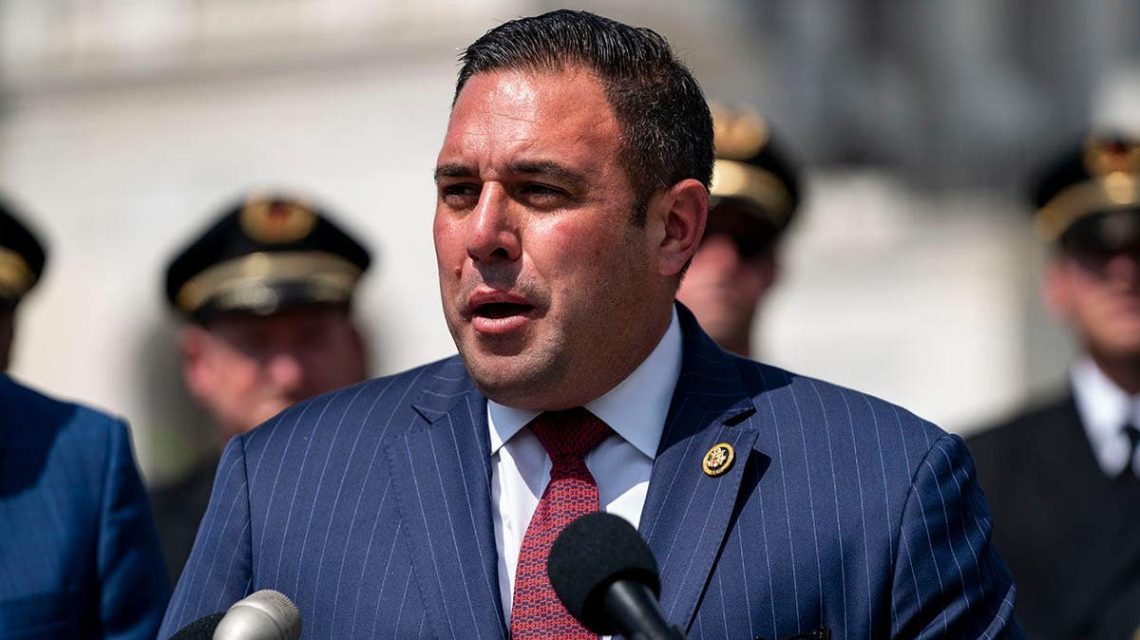
The Trump administration’s anti-fraud task force has initiated a nationwide effort to combat unemployment benefit fraud, starting in Massachusetts. Fifteen arrests were announced, underscoring concerns about illegal immigrants allegedly using stolen identities to claim government benefits such as SNAP, disability, and Social Security. The initiative aims to aggressively prosecute individuals profiting from these vital programs.
A recent investigation has revealed a new breed of fraudsters exploiting government systems. The Department of Labor (DOL) Inspector General has identified these online scammers, labeled “fraudfluencers,” who flaunt their abilities to exploit government programs for profit. Often, these scammers take a share of the fraudulently obtained benefits.
“This is more than just a crime,” DOL Inspector General Anthony P. D’Esposito said. “It’s a public betrayal of every American taxpayer.” He emphasized that such theft of taxpayer dollars is a serious offense and will face prosecution.
One notable case involves Britteny Egland, a California Employment Development Department (EDD) contract employee. She used social media to recruit others into fraudulent schemes, using insider knowledge and stolen identities for fake insurance and relief applications. Egland’s reach included nearly 10,000 Instagram followers and over 1,500 followers on X. Her online posts highlighted a growing network of schemers openly promoting fraud.
Egland managed to steal $2.8 million from government funds. Her social media posts encouraged followers to “get with the winning team” by engaging in fraud. She warned against questioning her too much, indicating the volume of messages she was receiving.
In June 2025, legal action finally caught up with her. Egland pleaded guilty to conspiracy to commit wire fraud. She was sentenced to 60 months in federal prison, followed by 36 months of supervised release, and ordered to repay the stolen $2.8 million.
Inspector General D’Esposito highlighted the danger growing from fraudsters on social media who glamorize stealing and turn theft into entertainment. He reaffirmed his office’s commitment to working with the White House Task Force to Eliminate Fraud to prosecute such cases and ensure accountability.
Egland’s case is not an anomaly. Social media is increasingly being used by fraudsters to promote theft and attract audiences. Jonathan Dupiton from Atlanta was sentenced to seven years in prison for obtaining $3.8 million in fraudulent unemployment benefits. Similarly, Memphis rapper “Nuke Bizzle” was sentenced to 77 months in prison for exploiting pandemic assistance programs.
In both cases, social media played a crucial role. Criminal behavior was not only publicized but also left a digital trail for investigators. The White House Fraud Task Force continues to focus on stopping this kind of abuse and preserving taxpayer funds.
 Trump Rallies Support in GOP Strongholds as Midterm Elections Approach
  Brazil’s Next Election: Familiar Faces and High Stakes
  Iowa Steel Plant: Incentives and Political Maneuvering
  Strategies for Democrats Leading Up to Election Day
 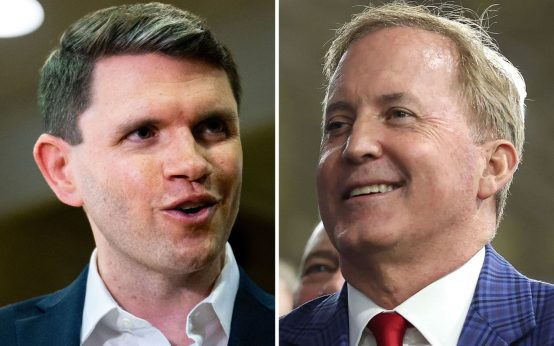 Texas Senate Race: The Impact of Trump on Ken Paxton’s Campaign
 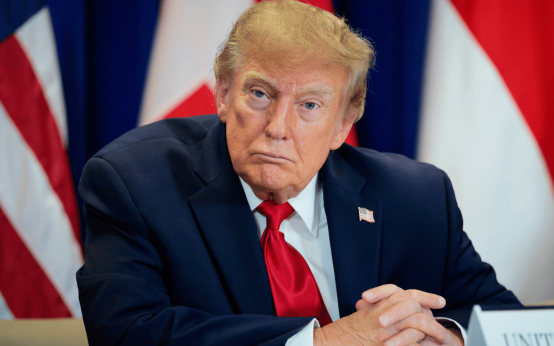 Trump’s Approval Rating Struggles Ahead of Midterms