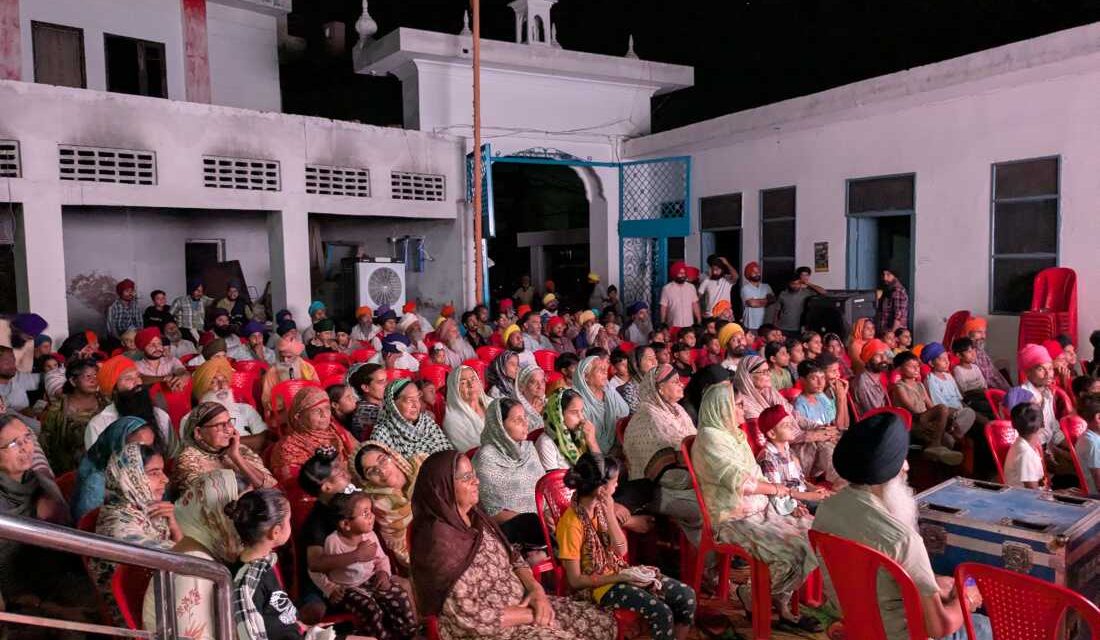
In early July, residents of Bandala village in Punjab gathered to watch a film titled “Satluj,” despite its ban by the Indian government. The film, inspired by real-life events, delves into the history and identity of Sikhs. Its promotional material covered the village, highlighting its importance to the community.
The screening took place at a local Sikh temple. Attendees included farmers finishing their day’s work. Men and women seated separately, and volunteers served refreshments. The film’s ban and withdrawal from streaming were attributed to ‘national security’ concerns, though no detailed explanation was provided by the government.
“Satluj” narrates the story of Jaswant Singh Khalra, an activist killed after exposing extrajudicial killings by security forces in the 1980s and 1990s. Khalra had documented these through local records, alleging thousands were killed. While some officers faced trials, many state officials were not held accountable.
The screenings across Punjab marked a rare public defiance against the ruling Hindu nationalist government. Sociologist Sanjay Srivastava noted that the community’s response underscored unresolved issues highlighted by the film.
Sikh religious bodies and groups organized these screenings in temple courts and public spaces. Viewer numbers increased as the screenings were held.
The historical context of “Satluj” is rooted in the 1990s Sikh separatist movement. During this time, many Sikhs died in clashes with security forces. This led to human rights violations, including abductions and staged encounters by police.
Filmmaker Honey Trehan faced years of delays as he sought certification. Despite accessing online platforms, the film was removed within days, sparking further outcry. Authorities feared the film might reignite separatist sentiments, especially among diaspora communities.
Analysts argue that the government’s suppression of such narratives reflects an understanding of cinema’s power to influence public opinion. They believe the film should highlight past human rights abuses, not incite separatism.
For audiences like Ranjit Singh Babbar, whose father was a victim of police violence, “Satluj” serves as a reminder of injustices and the struggle for justice. Babbar’s personal story reflects broader grievances of the Sikh community.
The film screenings became a symbolic act of preserving memory and seeking recognition of their struggles in a democratic society where they feel marginalized.
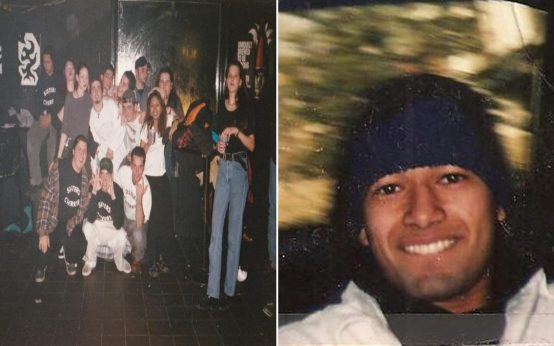 Mubin Shaikh’s Journey from Radicalization to Counterterrorism Specialist
 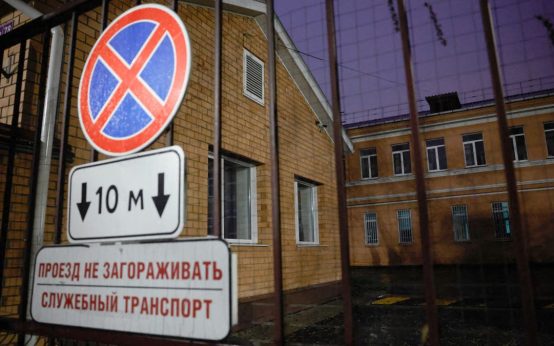 Concerns Over Russia’s Biological Weapons Program
 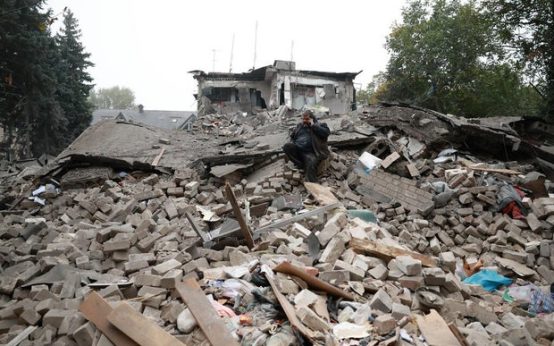 Russian Strikes in Ukraine Amid U.S.-Russia Diesel Deal
 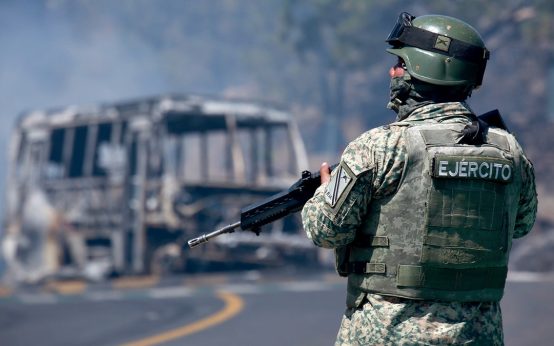 Cartels Face New Challenges as Political Alliances Shift
 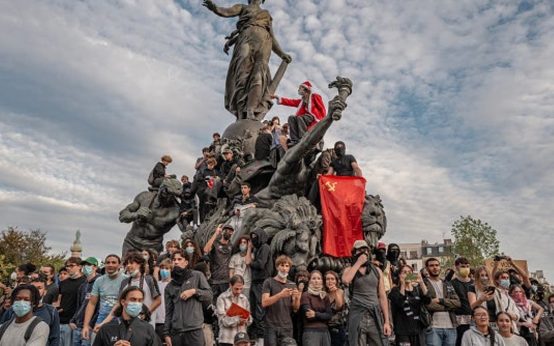 Global Networks Influence France’s Student Protests
 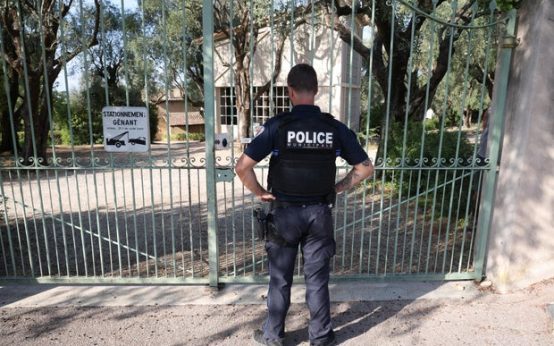 Renoir Paintings Recovered After Theft in France