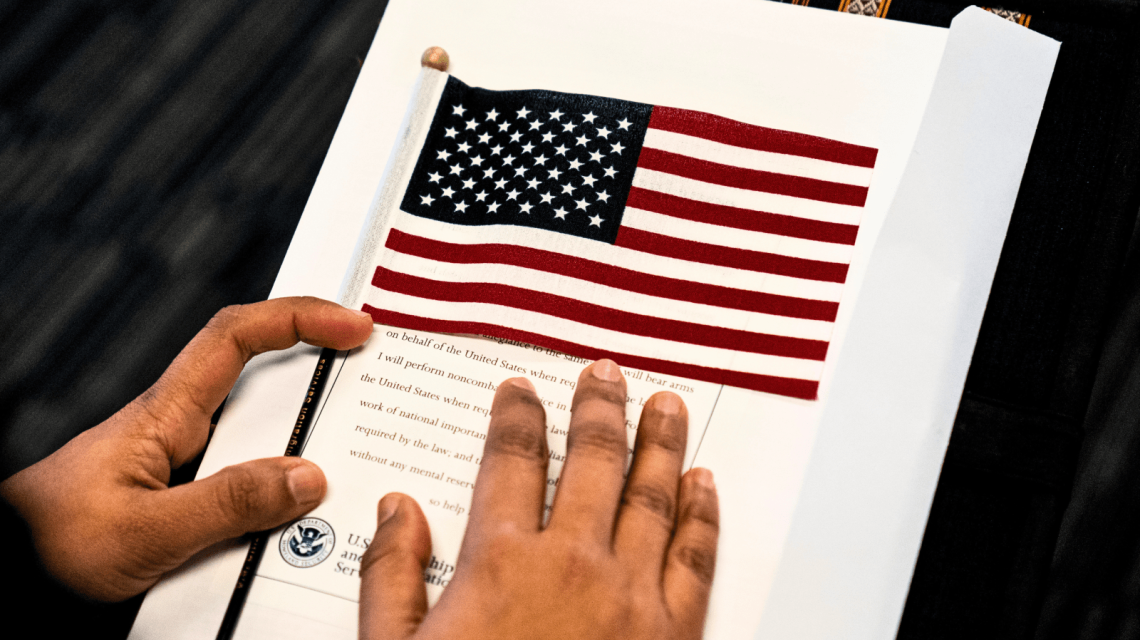
A change in U.S. green card regulations starting in June is creating challenges for many immigrants aiming for permanent residency. Federal immigration authorities are tightening the criteria for employment-based green cards, narrowing a previously common route for applicants to remain while seeking permanent status. This has resulted in a more limited path to permanent residency for these individuals.
Key Points
- Applicants for employment-based green cards must adhere to stricter “Final Action Dates,” reducing the number of people eligible to apply in June.
- Some applicants previously qualified are now unable to submit applications.
- The adjustment of status is treated as an “extraordinary” process, not a routine one.
- Temporary visa holders, including students and temporary workers, might have to leave the U.S. and apply from abroad.
The U.S. Citizenship and Immigration Services (USCIS) stated that beginning in June 2026, employment-based applicants must adhere to the more restrictive “Final Action Dates” chart. This chart limits the number of people who can proceed immediately as the demand for visas surpasses supply. Meanwhile, immigration authorities are signaling increased scrutiny for green card applicants within the United States.
Impact of Stricter Filing Rules
The most significant change in June impacts when employment-based applicants can file necessary paperwork. Each month, the State Department releases two Visa Bulletin charts:
- Final Action Dates: These determine when a green card can be approved.
- Dates for Filing: These allow for earlier application submissions.
In June, USCIS will use only the tighter “Final Action Dates” chart. This measure typically happens when visa demand exceeds annual limits, slowing the influx of new applications. Those whose priority dates are not current under this chart cannot file applications, even if they would have been eligible under the broader “Dates for Filing.” This bottleneck means fewer candidates can enter the system, leading to longer wait times or temporary blocks on applications. These restrictions particularly affect countries with many green card applicants annually.
A Reversal After Recent Progress
The June adjustments signify a swift reversal of the progress made earlier this year. In April, certain employment-based categories were briefly “current,” allowing some applicants to file without delay. This period has ended, returning to stricter limitations within weeks.
Increased Pressure in Key Categories
The June Visa Bulletin shows varying movement across different categories. While some family-based timelines advance, parts of the employment system proceed more slowly. For Indian applicants, key categories have regressed, signaling that annual visa caps are being rapidly exhausted. Elsewhere, progress is limited compared to the substantial demand.
Challenges for In-Country Applicants
Another policy change significantly affects immigrants residing in the U.S. A memo from USCIS dated May 22 describes “adjustment of status”—applying for a green card without leaving the country—as an “extraordinary” form of relief rather than a standard process. Consular processing abroad is now highlighted as the normative path. For temporary visa holders like international students and skilled workers, this increases the likelihood of needing to leave the U.S. to complete the green card process overseas. Officers are also urged to exercise more discretion, weighing an applicant’s complete history instead of mere eligibility.
Future Implications
Officials have noted that additional restrictions could come if visa demand keeps rising. Some categories may face further delays or temporary unavailability if visa limits are reached. For applicants already dealing with prolonged waits, these recent changes highlight how swiftly immigration timelines can change, with progress often followed by sudden setbacks.
 The Trump Team’s Challenge to the Military Leadership
  Maryland First State to Restrict Electronic Pricing in Grocery Stores
  Activists Push for Nationwide Ban on Child Marriage in the U.S.
  Democratic Hopes and Historical Warnings in 2026 Senate Race
  Republicans Face Challenges Amidst Cost of Living Concerns
  A Different Kind of Fall for Congress This Year