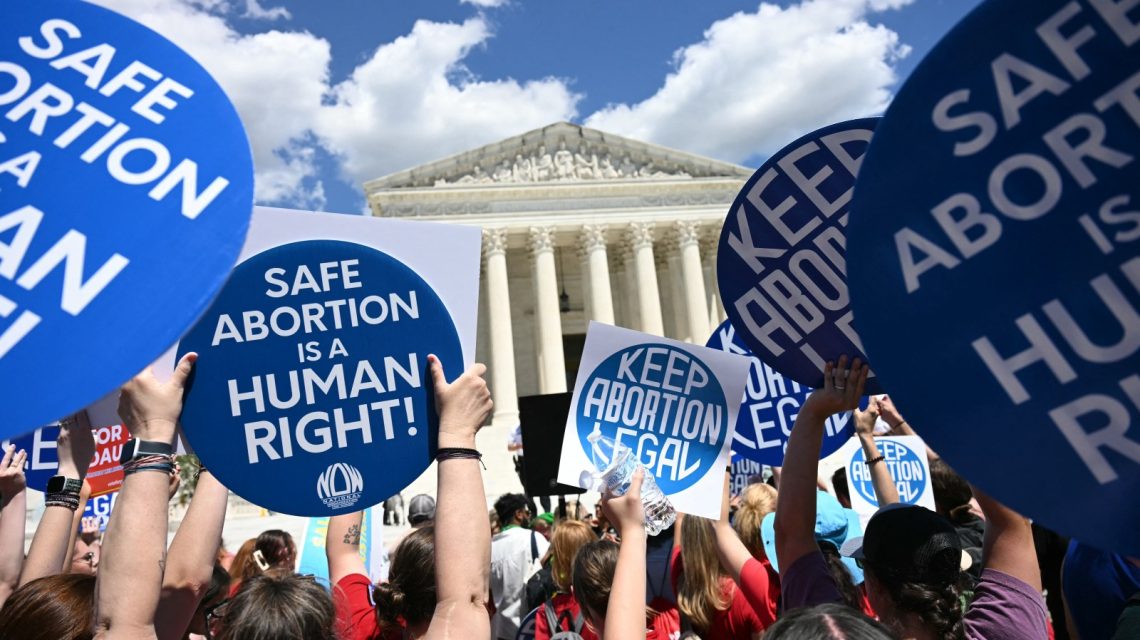
Rising Abortion Numbers Despite Legal Restrictions
Four years after the U.S. Supreme Court ended the constitutional right to abortion, data reveals an unexpected trend. Instead of declining, the number of abortions has risen. Recent estimates show over 1.12 million abortions were conducted by U.S. clinicians in 2025, according to a March Guttmacher report. This figure is about 21% higher than in 2020, when substantial legal changes reshaped access.
The turning point came on June 24, 2022, with the Supreme Court’s ruling in Dobbs v. Jackson Women’s Health Organization, overturning Roe v. Wade. This decision removed federal protection for abortion and handed regulatory power to states, creating varied laws across the nation. Despite these restrictions, abortions continue to occur across every state.
Statewise Abortion Trends Post-Dobbs
The WeCount project’s data, by the Society of Family Planning, indicates that abortions still occur in every state, even those with strict bans. Most procedures in such states use telehealth services. The project reports that their counts are comprehensive but may not capture all abortions, especially those outside formal healthcare systems.
Initially, many expected national abortion numbers to decline due to new state-imposed restrictions. However, this hasn’t been the case. Data suggests the opposite trend, with abortions persisting even under severe restrictions. Cases like Amanda Zurawski’s in Texas, who faced delayed care after a medical emergency due to strict bans, highlight challenges in accessing timely medical interventions.
Driving Forces Behind Rising Abortion Rates
Several factors contribute to the unexpected rise in abortions. A significant reason is the expansion of telehealth and medication abortions, transforming access. KFF data shows remote consultations and abortion pills by mail have reduced barriers, even in states with strict bans. Online clinics and telemedicine providers have become a significant part of the nationwide abortion landscape.
Some states with less restrictive policies have enhanced access, attracting patients from states with bans. States like Illinois, North Carolina, Kansas, and New Mexico have seen increased patient volumes. Self-managed abortions through medications, outside traditional healthcare settings, may also be rising, though they are harder to quantify.
Regional Disparities and Access Challenges
While national abortion rates have increased, access varies significantly by region. States with strict bans face limited access, forcing patients to travel, face legal risks, or seek alternative methods. In contrast, states with legal abortion have reported increased demand and resource strain as they serve patients from other areas.
Reflecting on the Impact Four Years Later
The anniversary of the Dobbs decision has sparked reflection on its impact. Advocacy groups and lawmakers express divergent views on the reversal of Roe v. Wade. Susan B. Anthony Pro-Life America has criticized the “states-only” strategy as ineffective, urging stricter laws. Conversely, some politicians argue the decision compromised women’s rights to healthcare.
Representative Jared Moskowitz emphasized the moral failure in removing these protections, while Representative Addison McDowell highlighted the decision’s role in protecting unborn life. These varied perspectives reveal ongoing debate over the future of abortion rights in the U.S.
Future Prospects
Data from the Dobbs era underscores a paradox: restricting access in some areas hasn’t decreased national demand for abortions—it’s changed how and where care is sought. As legal and political battles continue, the evolving landscape illustrates the complexity of abortion access in the U.S. today.
 President Trump’s Pre-Midterm Interview on Key Issues
  Increased Funding Needed for Psychiatric Hospitals
  Trump’s 2024 Reelection and Evolving Voter Dynamics
  Defense Secretary Emerges as Key Player in the Trump Administration
  Hegseth’s Vision for the Military: Balancing Tradition and Innovation
 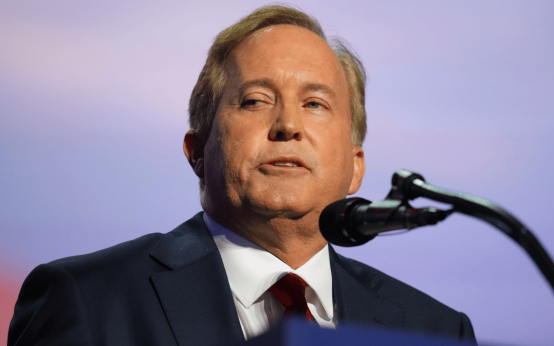 Significant Funding Boosts Ken Paxton’s Texas Senate Campaign Amid Tight Race