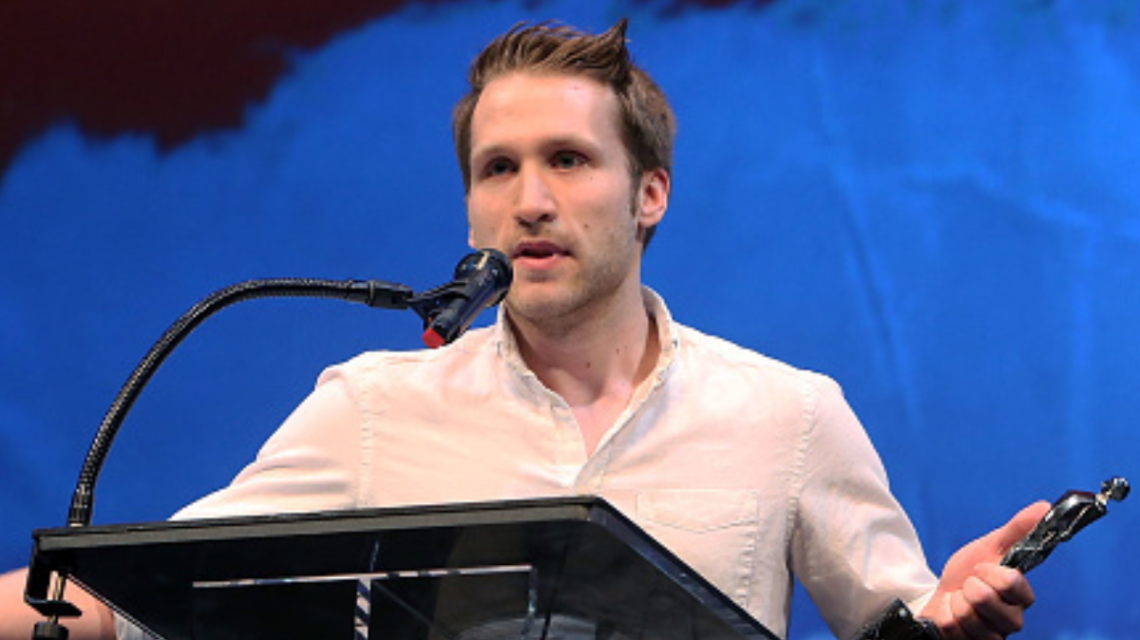
YouTuber Jesse Ridgway has ignited a debate concerning abortion rights and disability issues after he and his wife, Ashley, chose to terminate a pregnancy upon learning their baby had a significant chance of being born with Down syndrome. Ridgway, known as @McJuggerNuggets, shared their decision on social media, stating it was a tough choice based on a Trisomy 21 diagnosis. He mentioned the significant emotional toll it took, particularly on Ashley, who recently underwent the procedure.
The post went viral on platform X, sparking renewed discussions around this contentious issue. Newsweek attempted to reach Ridgway for further comment.
Understanding Trisomy 21
Trisomy 21, commonly known as Down syndrome, results from an extra copy of chromosome 21, impacting both physical and cognitive development. The condition manifests in approximately 1 in 700 to 1,000 births worldwide. Although many with Down syndrome can lead fulfilling lives with adequate support, the condition’s severity varies widely.
Ridgway admitted he initially approached this diagnosis with optimism but later understood the potential challenges, including heart defects and vision issues, alongside a reduced life expectancy. He described the condition from a health perspective as highly challenging.
He shared that feedback from doctors, peers, and genetic counselors often reflected a high termination rate following a Trisomy 21 diagnosis, which was unexpectedly high for him. The couple made what they felt was the best decision for their family, emphasizing the importance of choice.
Public Reaction
Ridgway’s announcement received robust reactions. Some conservative commentators strongly criticized the decision. For example, Matt Walsh, a conservative commentator, described the post as particularly egregious. Similarly, journalist Megan Basham criticized it, suggesting that it devalued lives with Down syndrome.
Anti-abortion activist Abby Johnson labeled Ridgway as cruel, while Catholic podcaster Timothy Gordon shared his own positive experiences raising a child with Trisomy 21, encouraging rejection of Ridgway’s choice as morally acceptable.
Journalist Ben Zeisloft urged Ridgway towards repentance, questioning the rationale behind ending a life due to perceived inconveniences.
Ridgway’s Response
Ridgway expressed surprise at the intense backlash, describing the level of hate and threats as unprecedented. He criticized some responses that invoked religious beliefs as hypocritical and defended his and Ashley’s right to choose.
While expressing respect for families making different choices, he emphasized the personal nature of their decision and their intention to raise awareness of the suffering involved, hoping to offer others facing similar situations a sense of solidarity.
Discussing Prenatal Screening
In the U.S., a significant portion of pregnant individuals undergo prenatal testing to detect conditions like Down syndrome, sometimes as early as nine weeks into pregnancy. Studies back Ridgway’s assertion that many pregnancies identified with this condition end in termination, with a wide rate range. It’s important to note these tests may not be definitive and can result in false positives.
The availability of early detection and the subsequent high termination rates contribute to the ongoing moral debates prompted by Ridgway’s experience.
Examining the Abortion Debate
There are three main viewpoints in the U.S. regarding abortions following a Down syndrome diagnosis:
- The pro-choice perspective emphasizes the pregnant individual’s right to choose due to the complexity of the situation.
- Disability rights advocates caution against decisions that might undervalue disabled lives and stress the need for better support systems.
- The pro-life stance opposes such terminations, viewing them as discriminatory and advocating for legal restrictions or bans.
Challenges in Law and Technology
Following the overturning of Roe v. Wade in 2022, U.S. abortion laws vary significantly by state. While some states permit abortions in cases of fetal anomalies, others impose strict bans, affecting options depending on location.
Debate continues over prenatal testing technology, with concerns about reliability and marketing practices. Supporters argue these tests allow for more informed decisions earlier in pregnancies, highlighting a gap between technological advancements and ethical consensus.
 Activists Push for Nationwide Ban on Child Marriage in the U.S.
  Democratic Hopes and Historical Warnings in 2026 Senate Race
  Republicans Face Challenges Amidst Cost of Living Concerns
  A Different Kind of Fall for Congress This Year
  Cornel West and Sean Hannity Discuss Differences on Podcast
  Trump Unveils AI-Powered America.gov Platform