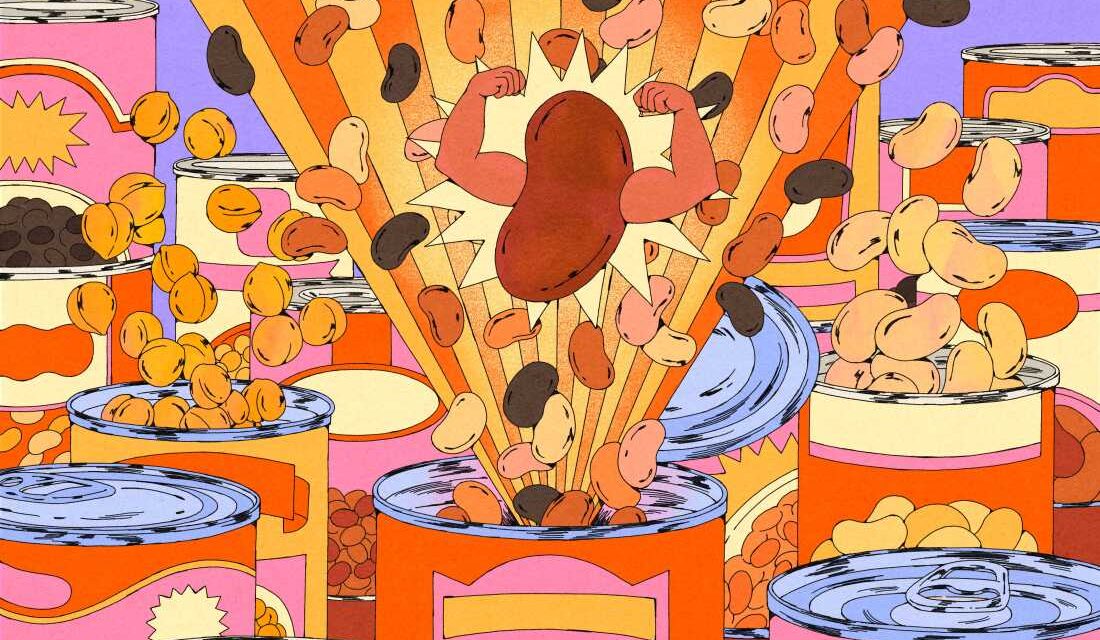
Increased interest in beans is transforming the way Americans approach food, as consumer concerns about grocery prices and nutrition are rising. Beans, long overlooked, embody a cost-effective, healthful, and versatile food solution.
Enthusiasm around beans is illustrated by more than just bean recipes on platforms like BeanTok. Trendy bean-based products are now available, and heirloom services such as Rancho Gordo are seeing waitlists of tens of thousands. Even children’s programming like Bluey is getting on board.
Historical Significance and Current Popularity
Tim McGreevy, CEO of USA Pulses, underscores the renaissance of beans. Historically, legumes, including beans, have been vital to agriculture, providing nutrition and nitrogen-fixing properties. Globally, cultures have integrated beans as economical alternatives to animal proteins.
Today, with escalating food costs, beans offer inexpensive nutrition comparable to meat. Americans, notably lacking in fiber, find beans to be filling and health-enhancing. Research shows beans help regulate blood sugar and lower cholesterol. Henry J. Thompson from Colorado State University highlights beans’ positive impact on essential gut microbes.
Bean Nutrition and Health Benefits
Beans are rich in both fiber and protein, providing around 8 grams of protein per half cup. The Trump administration’s dietary guidelines now categorize them under protein, a move supported by over 130 physicians recognizing plant-based proteins’ adequacy.
While beans have been traditionally associated with gas due to raffinose sugars, nutrition experts suggest gradually increasing fiber intake to mitigate this effect.
Celebrating Beans’ Taste and Economics
Steve Sando of Rancho Gordo founded his heirloom bean company in 2001, fostering a growing demand for this heritage crop. Rancho Gordo sells millions of pounds of beans annually with a notable fanbase—the “leguminati,” eagerly subscribing to the bean club for curated selections.
The satisfaction of transforming dry beans into creamy meals fuels their rising popularity. Social media influencers like Madeline Schapiro promote beans’ versatility and economic advantage, encouraging healthy eating without excessive spending.
Strategies to Increase Bean Consumption
USA Pulses aims to double production and consumption by 2030, backed by the United Nations’ similar global initiative. McGreevy’s advocacy for pulses includes policy changes, partnerships with food manufacturers, and public campaigns to encourage daily consumption.
For those seeking maximum benefits, Thompson recommends a “therapeutic” intake of 1.5 cups daily, promoting variety in choices.
 Increased Funding Needed for Psychiatric Hospitals
  Trump Administration Distributes ACA Refund Checks
  Higher Consumption of Ultra-Processed Foods Linked to Increased Health Risks
  Understanding Inflammation: Myths and Facts
  Calm Parenting: Strategies to Manage Stress
  Trump’s Executive Order to Combat Mosquitoes and Ticks in D.C.