Bipartisan Legislation Advances to Senate
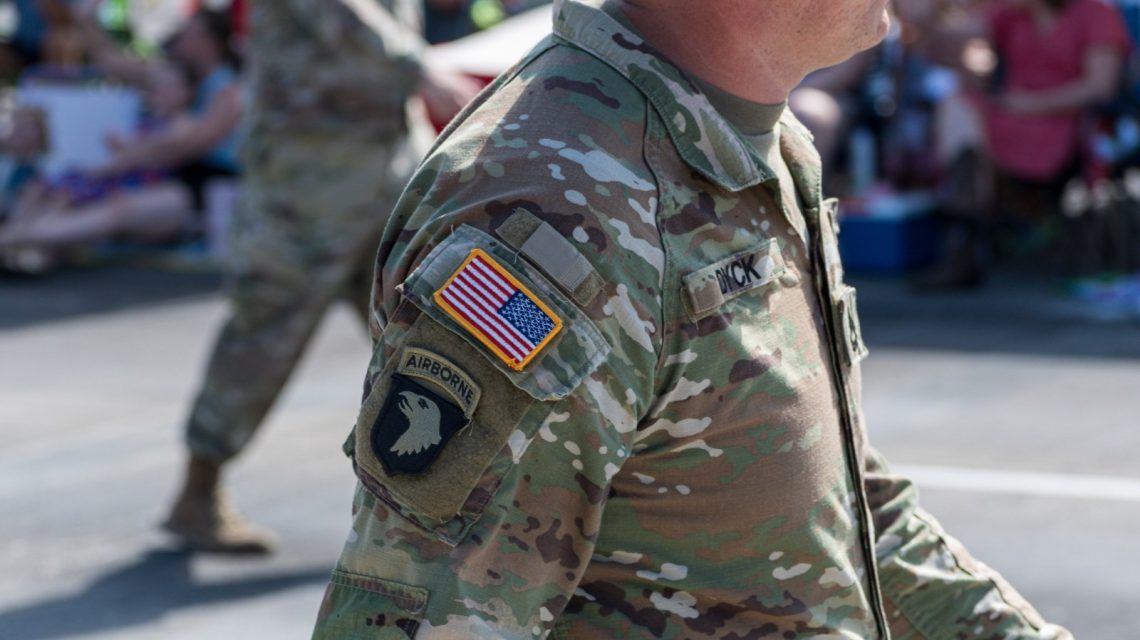
A new bill aiming to increase benefits for severely disabled veterans and military families has been approved by the House of Representatives with a 235-179 vote. The Sharri Briley and Eric Edmundson Veterans Benefits Expansion Act seeks to provide increased financial support to over 7,000 severely disabled veterans and more than half a million Gold Star families. However, the proposal, which will now head to the Senate, has drawn criticism concerning its funding mechanism.
Details of the Proposed Benefits
The bill plans to boost Dependency and Indemnity Compensation by 1.5 percent over two years. These benefits, distributed by the Department of Veterans Affairs (VA), support spouses and family members of service personnel who died on duty or from service-related injuries. Additionally, it proposes to raise Special Monthly Compensation by $10,000 annually for veterans suffering severe injuries, brain damage, or needing regular aid.
The act is named after Sharri Briley, widow of Army Special Operations Blackhawk pilot Donovan Lee “Bull” Briley, and Sergeant Eric Edmundson, who sustained an anoxic brain injury, impairing his mobility and speech.
Introduced by Tom Barrett, an Iraq War veteran and former Army helicopter pilot, the measure reflects Congress’s commitment to honor veterans’ sacrifices. Barrett expressed, “Our nation can never fully repay the debt we owe to the heroes and families who have served and sacrificed for our freedom.”
Home Loan Accessibility for Reservists
The legislation also features the Home Affordability for Guard and Reserve Act, aiming to ease VA-backed home loans access for National Guard and Reserve members. Currently, eligibility requires either six years of service or 90 days of active duty, but the bill proposes reducing this requirement substantially. Guard and Reserve members with a combination of 14 days of service would then qualify. This change would benefit many reservists and National Guard members who do not currently meet the standards.
Funding Concerns
To finance the expanded benefits, the bill suggests raising the VA home loan refinance fee from 0.5 percent to 1.42 percent and increasing the loan assumption fee from 0.5 percent to 1 percent. These fees apply to veterans refinancing to lower interest rates, but disabled veterans are exempt. This proposal has sparked debate among Democrats who, although supportive of higher payments for disabled veterans and Gold Star families, oppose funding them through increased fees on other veterans.
“Veterans should not be charged new mortgage fees to pay for the benefits of other veterans,” said House Committee on Veterans Affairs Ranking Member Mark Takano.
Common Defense, a progressive group of veterans, expressed concerns over increased refinance costs imposed on financially strained veterans, potentially costing the average veteran more than $8,000 over the loan’s lifetime.
Support Despite Opposition
Despite criticism, the bill garners support from numerous veteran and military family groups, including Veterans of Foreign Wars, American Legion, Disabled American Veterans, and Gold Star Spouses of America. Mike Bost, House Veterans Affairs Committee chairman, emphasized the nation’s obligation to these families.
“These American families would never ask for anything, but our nation owes them a debt that can never fully be repaid,” Bost remarked.
The bill now moves forward to the Senate for consideration.
 State Department Simplifies Passport Process with Online Applications
  Becerra and Hilton Clash in California Gubernatorial Debate
  California Voters to Decide on $7.5 Billion State Research Fund
  Highlights from the California Gubernatorial Debate: Becerra vs. Hilton
  Becerra vs. Hilton: The Debate and Key Issues in the California Governor Race
  Senate Confirms New Labor Secretary