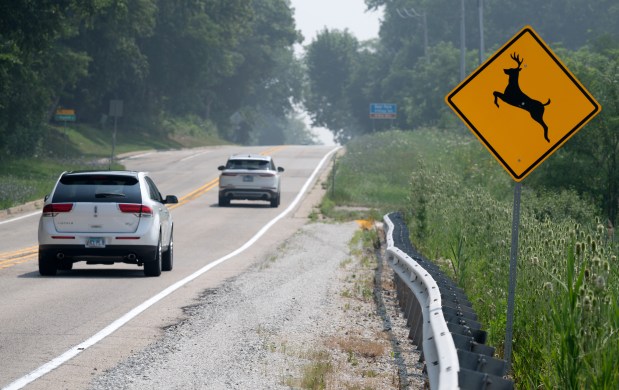
In Illinois, residents can claim roadkill deer to utilize the meat, taxidermy, or parts for projects with a program from the Illinois Department of Natural Resources (IDNR). This initiative processes about 2,500 claims yearly across the state. Residents must gain permission and complete a necessary online form on the IDNR website.
Processing and Qualifications
The IDNR requires an online form with basic information to process a roadkill deer. It tracks populations and trends through these records. The tags and documentation ensure legal possession, akin to hunting regulations. Only Illinois residents, not delinquent on child support, can claim these animals.
Meat Processing
Butchers like John Schalz of John’s Elgin Market process deer for personal consumption. Schalz notes they handle about 20 roadkill deer annually, offering steak cuts, sausage, and jerky. Documentation from IDNR is mandatory for processing.
Typical processing produces around 75 pounds of lean meat. Despite beliefs about adrenaline affecting meat flavor post-collision, Schalz insists there’s no flavor difference.
Taxidermy
Some roadkill deer finish as taxidermy trophies, as noted by taxidermists like Tom Rancak. He sees unique cases, like deer with locked antlers. Typically, these animals are not trophies for hunters, according to Jim Nelligan, yet they can serve as unique projects. A taxidermy job to mount a deer head may cost roughly $1,000 and take up to 18 months.
Legal and Ethical Considerations
Illinois law prohibits the sale of roadkill deer. Processed meat is for personal use only, while taxidermied items can be gifted. Claims on deer killed by methods other than vehicles or hunting require documentation as well. Ethical considerations involve quick processing to avoid waste.
Euthanasia and Conservation
Also provided are contacts for conservation officers to handle injured deer humanely. This service helps balance ethical handling with conservation needs, monitoring population health and trends.
 Supreme Court’s New Term Tackles Climate Liability and Key Legal Battles
  Tick Crisis on Martha’s Vineyard: A Growing Health Threat
  Colorado’s Emissions Regulation and Its Broader Implications
  The Threat of Melting Glaciers: A Call to Action
  Collapse of Hawai’i’s Hōlei Sea Arch Amidst Storms
  Los Angeles Faces Uncommon Heatwave in October