
Spring Weather Events Impacting the Nation
Monday brings volatile spring weather across the U.S. with severe storms in the Midwest, snow in the Rockies, and record heat in the East. On Sunday, over 230 severe weather reports occurred, including 25 tornadoes spanning Nebraska, Kansas, Iowa, and Minnesota. Nebraska saw considerable damage, particularly in St. Paul, with severe damage reported to homes.
Communities like Saint Libory, Nebraska were heavily affected by the storms, extending to South Dakota and Iowa. Omaha experienced thunderstorms that are moving towards Kansas City, affecting 49 million people at severe storm risk from north Texas to northern Michigan.
Flood watches are active for 5 million people in eastern Kansas, southeastern Nebraska, and much of Missouri. Intense storms are forecast in south-central Missouri with possible rainfall rates of 1-2 inches per hour. Moderate risk persists in Kansas and southeastern Nebraska, with the potential for strong tornadoes, hail over 3 inches, and wind gusts above 75 mph.
Major cities including Kansas City, Omaha, Lincoln, Des Moines, and Oklahoma City face tornado watches. The cold front advances east on Tuesday, reducing storm intensity but affecting 48 million with hail, wind, and tornado risks.
Wildfires and Winter Alerts in Colorado
Colorado deals with diverse severe weather—wildfires in some areas, freezing conditions and hail near Denver, and winter alerts across Wyoming, northeastern Utah, and the Colorado Rockies.
Unusually High Temperatures in the Northeast
The Northeast witnesses record warmth, with temperatures soaring 10-25 degrees above average from Monday through Wednesday. Several cities, including Washington, D.C., Syracuse, Hartford, Pittsburgh, Richmond, Charleston, Nashville, Lansing, Johnson City, and Fayetteville are poised to break temperature records.
Baltimore and Washington’s National Weather Service reports possible new highs, with low to mid-90s temperatures before storms on Wednesday. Heat will persist early in the week with widespread 90s temperatures in New Jersey, Pennsylvania, Washington, D.C., and New York City.
Critical Fire Conditions in Southern Plains and California
Red flag warnings affect 11 million people in the southern Plains and California’s Central Valley. Extremely critical fire conditions prevail in the Texas and Oklahoma panhandles and southwest Kansas, driven by sustained winds between 20-30 mph and humidity levels of 5%-15%. Wind direction changes may lead to sudden shifts in fire movement.
 Atlantic Ends September Without a Hurricane for First Time Since 1994
  Bobcat Sightings and Conservation Efforts in Illinois
 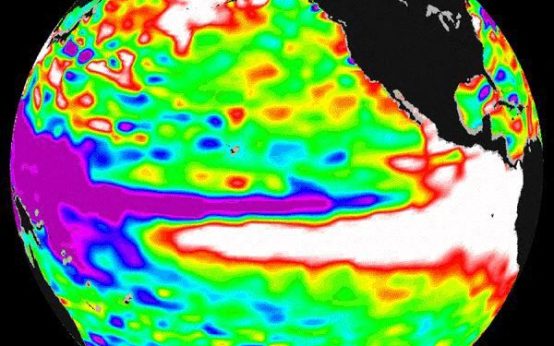 2026 El Niño: A Historical Comparison and Future Projections
  U.S. Records Warmest September in History
 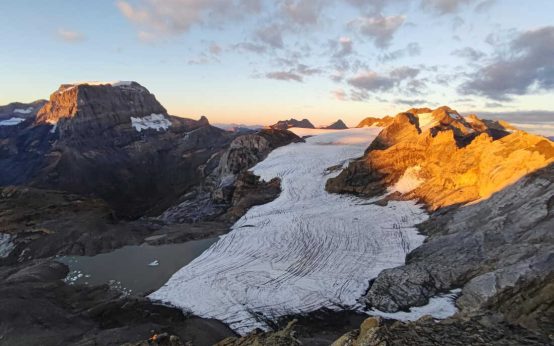 Swiss Glaciers Show Effects of Ice Loss Amid Global Warming
  Climate-Resistant Rock Glaciers: Hidden Water Resources