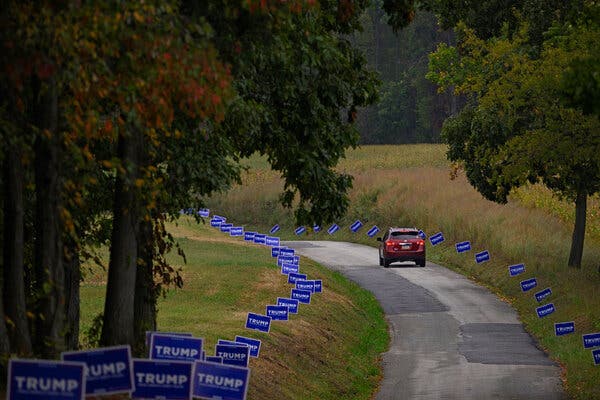
The metaphor of ‘guardrails’ is heavily used in discussions about Donald Trump’s administration, especially in the concept of Trump 2.0. These guardrails are supposed to prevent chaos and misuse of power. Concerns exist about Trump’s actions, such as altering the federal workforce and straining international relations. Notably, Kamala Harris, during her 2024 campaign, highlighted the absence of these guardrails. Democrats have pushed for laws to counteract Trump’s influence, emphasizing the need for guardrails around his presidential power.
In Trump’s first term, there were frequent questions about his authority. Now, the focus is on what could restrain him. Guardrails are seen as a limitation when considering executive power. They might make the public feel passive, relying on historical safeguards rather than actively participating in politics. James Madison is often cited as a figure whose actions created these boundaries. However, sometimes guardrails are absent or fragile, and it might be necessary for individuals to act as guardrails themselves.
Physical guardrails have practical purposes, such as preventing falls in high-risk areas like hospital beds or rocky paths. They exist to protect the vulnerable and warn against dangerous behavior. In this political context, the metaphor advises caution against reckless actions and encourages proactive engagement.
 Activists Push for Nationwide Ban on Child Marriage in the U.S.
 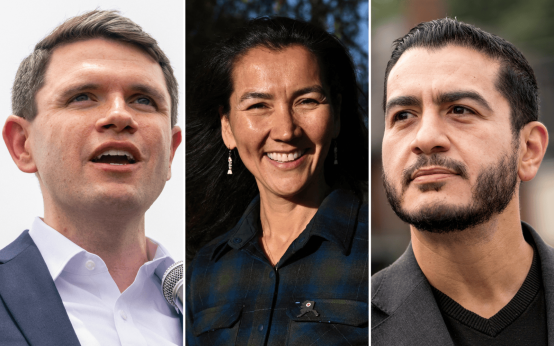 Democratic Hopes and Historical Warnings in 2026 Senate Race
  Republicans Face Challenges Amidst Cost of Living Concerns
 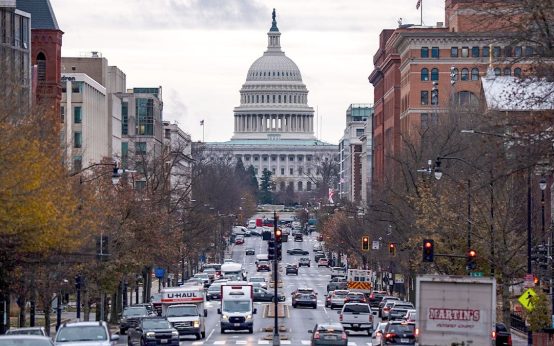 A Different Kind of Fall for Congress This Year
 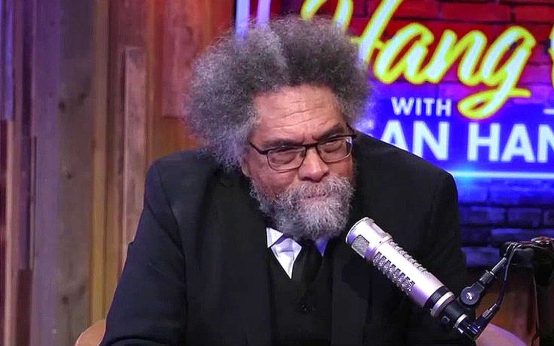 Cornel West and Sean Hannity Discuss Differences on Podcast
 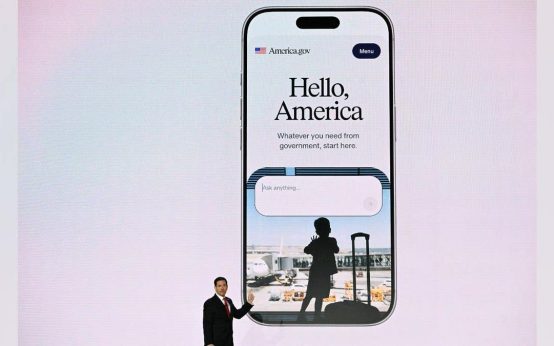 Trump Unveils AI-Powered America.gov Platform